
What to Expect and How It Can Help
Starting counselling can feel like a big step, especially if you are unsure what to expect. For many people, the idea of speaking openly about personal feelings, past experiences, worries, anxiety, relationships, loss, or difficult life situations can feel overwhelming at first. However, counselling offers a safe, confidential, and supportive space where you can begin to explore what is going on for you at your own pace.
Counselling is not about being judged, told what to do, or being given quick answers. It is about having a space where you can be listened to properly. Sometimes in everyday life, people may hear us but not truly listen. A counsellor’s role is to provide time, care, and attention so that you can feel heard, understood, and supported.
Why People Come to Counselling
People seek counselling for many different reasons. Some may be dealing with anxiety, stress, low mood, grief, relationship difficulties, trauma, family issues, or changes in life circumstances. Others may not be able to clearly explain what is wrong, but they know that something does not feel right within themselves.
You do not have to wait until things become unbearable before seeking support. Counselling can be helpful at any stage, whether you are facing a specific problem or simply want to understand yourself better.
What Happens in a Counselling Session?
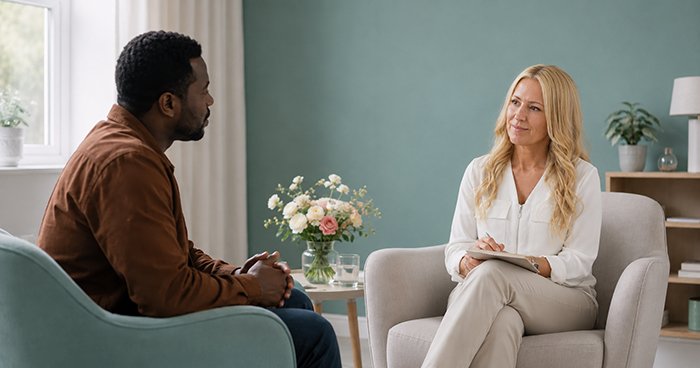
A counselling session usually gives you time to talk about what has brought you to therapy. You may talk about your thoughts, feelings, experiences, relationships, or anything that feels important to you. There is no pressure to share everything at once. You are able to go at a pace that feels safe and manageable.
The counsellor may help you reflect on patterns, emotions, behaviours, or experiences that may be affecting your present life. Sometimes, simply putting things into words can bring a sense of relief. Over time, counselling can help you gain clarity, self-awareness, and a better understanding of yourself.
The first session may also include a conversation about confidentiality, boundaries, how counselling works, and what you would like to gain from the sessions. This helps to create a safe and professional foundation for the work.
Counselling Can Help You Feel Less Alone
One of the powerful things about counselling is that it can help you feel less alone with what you are carrying. Many people hold things inside for a long time because they feel they should be strong, cope by themselves, or not burden others.
But speaking to someone in a safe and supportive environment can help you begin to release some of that pressure. It can also help you make sense of feelings that may have been confusing, painful, or difficult to explain.
Counselling does not remove every challenge in life, but it can help you find healthier ways to cope, respond, and move forward.