
When we're struggling emotionally, it's natural to want the pain to go away as quickly as possible. We distract ourselves, stay busy or push difficult feelings aside. While these strategies can help us cope, they don't always allow true healing to happen.
Think of an untreated wound. If you simply place a plaster over it without cleaning it first, the wound is hidden, but it hasn't healed. Dirt remains beneath the surface, and over time it may become more painful or infected.
Emotional wounds can be much the same.
When difficult experiences, painful emotions or unresolved memories remain buried, they don't disappear. Instead, they can quietly influence our relationships, confidence, anxiety and emotional wellbeing.
Healing isn't about forcing yourself to relive the past or staying stuck in painful memories. It's about gently acknowledging what has been left unprocessed, in a safe and supportive way.
Like cleaning a wound, this can sometimes feel uncomfortable. It may sting at first, but it's an important part of allowing genuine healing to take place. Avoiding emotional pain often keeps us stuck, while facing it with support allows us to move through it.
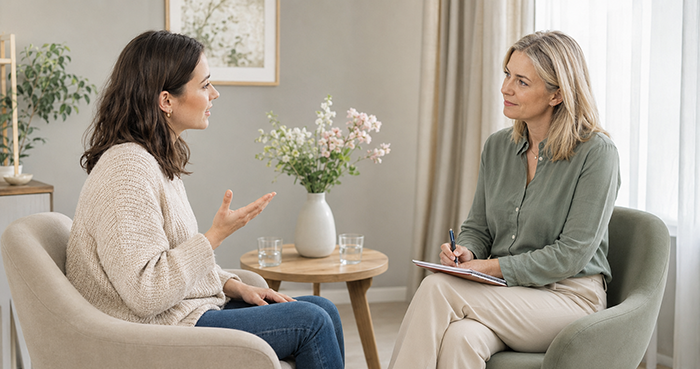
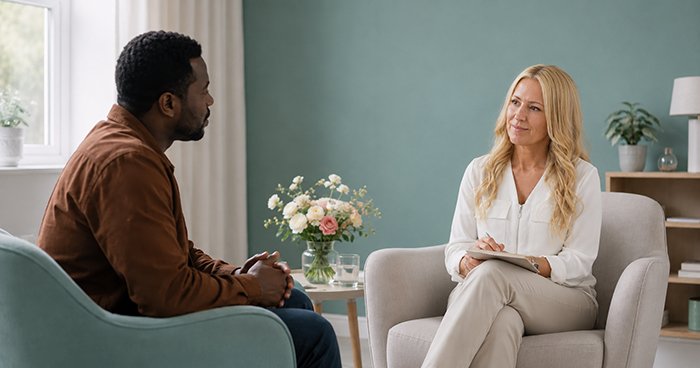
Therapy provides a space where this process can happen at your own pace. There is no pressure to uncover everything at once. Healing is usually gradual, built through understanding, self-compassion and small steps forward.
The coping strategies you've developed deserve kindness—they helped you survive. But there comes a time when surviving isn't enough, and you want to feel lighter, calmer and more connected to yourself.
Real healing happens when we gently care for what's underneath, rather than simply covering it over. Just like a wound needs cleaning before it can heal, our emotional wellbeing grows when we give ourselves permission to process what we've been carrying for so long.